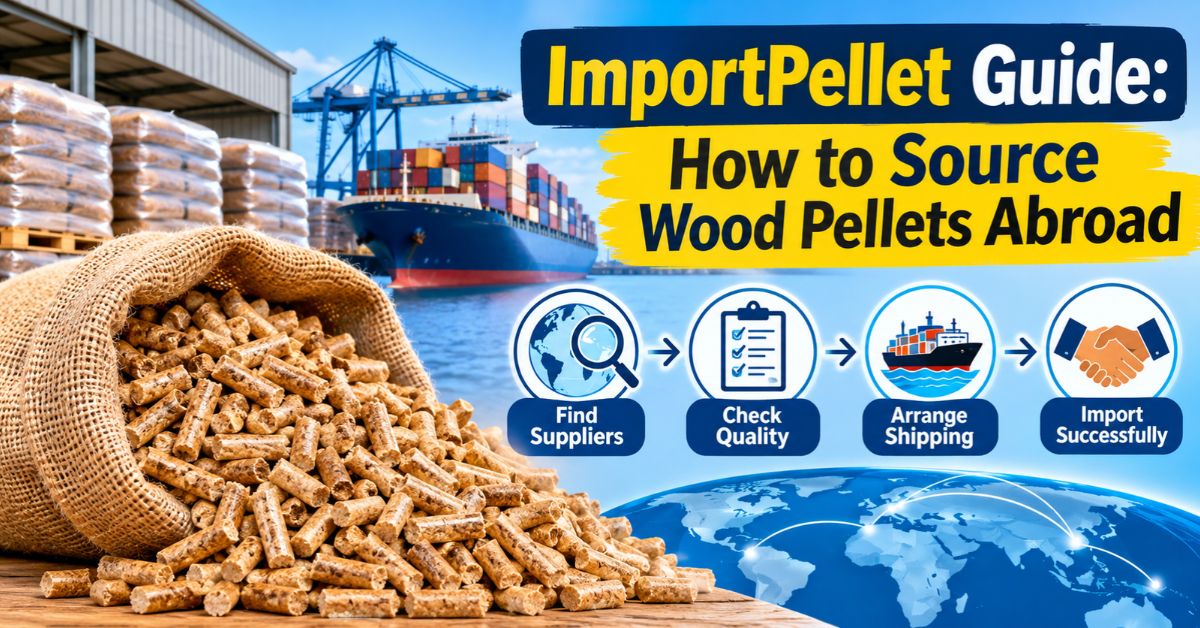
ImportPellet is a term you will see in two places. In the biomass trade, it points to the cross-border sourcing of wood pellets and other compressed fuels. Online, it also appears as a brand name for guest-posting and content platforms. This guide focuses on the first meaning, because that is where buyers need clear, practical answers before they commit money to a cargo.
Importing pellets sounds simple until the first shipment arrives. Moisture, ash, freight terms, and customs paperwork can turn a cheap quote into an expensive lesson. Whether you heat a home, run an industrial boiler, or supply a power plant, the same questions apply. Here you will learn how to check quality, compare shipping options, handle compliance, and follow a step-by-step sourcing plan that keeps risk low.
What ImportPellet Means in the Pellet Trade
In the pellet trade, ImportPellet describes the full path a buyer follows to bring wood pellets across a border. That path starts with finding a supplier and ends with fuel in a silo or bag at your site. It covers quality checks, freight, paperwork, and payment. Homes, industrial boilers, and power plants all depend on this global supply chain of renewable solid fuels.
Industry research brands such as Mello Commodity and B2B platforms such as Global Trade Plaza use the term to guide buyers through bulk procurement. A second use matters less here. Some digital platforms use the ImportPellet name for guest posting and content sharing across general business topics. If you are shopping for fuel, skip those sites and focus on verified suppliers, certified products, and clear contracts.
Why Buyers Source Pellets From Overseas
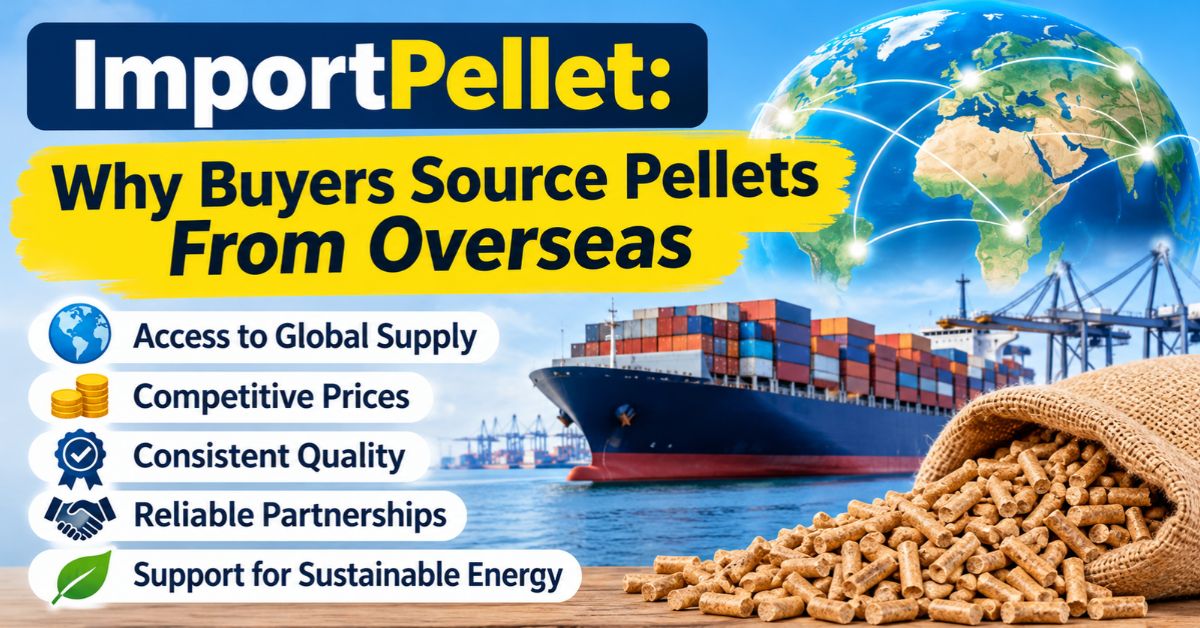
Local supply does not always match demand. Cold winters, renewable heat incentives, and coal phase-outs can push demand above what nearby mills produce. Countries with large forestry sectors have sawdust and wood residues to spare, so they press pellets at scale. Buyers in markets like the UK and Italy often look abroad to fill gaps and keep prices steady.
Overseas sourcing also gives you more choice. You can compare prices across regions, test different grades, and spread risk across several suppliers. Distance adds complexity, though. Freight costs, currency swings, and customs delays can erase a low ex-works price. A smart importer weighs the total landed cost, not just the price per ton quoted by the mill.
Quality Standards to Check Before You Buy
Quality decides whether your boiler runs smoothly or clogs. Premium imported pellets are vetted for moisture, ash, and mechanical durability. High moisture cuts heat output. High ash creates clinkers and extra cleaning. Weak pellets crumble into dust during handling, which can jam feed systems. Asking for fresh lab results on each shipment protects your equipment, your warranty, and your budget.
Look for ENplus A1 certification. It is the best-known quality mark for premium wood pellets, and it sets strict limits on key properties. Certification also covers the supply chain, so traders and distributors need approval too. Always verify a supplier’s certificate number in the official ENplus database instead of trusting a PDF alone. A quick check takes minutes and can prevent a costly mistake.
ENplus A1 at a glance
| Property | Typical A1 Requirement | Why It Matters |
|---|---|---|
| Diameter | 6 mm or 8 mm | Fits most feed systems |
| Moisture | 10% or less | Higher heat output, less mold risk |
| Ash content | 0.7% or less | Fewer clinkers, less cleaning |
| Mechanical durability | 98% or higher | Less dust and breakage |
| Net calorific value | 16.5 MJ/kg or more | Consistent energy per ton |
Major Supply Corridors and Sourcing Regions
Pellet trade flows follow forests. Brazil, Southeast Asia, and Eastern Europe are common starting points for cargoes headed to heating markets such as the UK and Italy. Each region has its own strengths. Some offer low production costs, others offer shorter sailing times or strong certification records. Matching the region to your priorities is the first real sourcing decision you make.
North America also plays a large role in global pellet exports, so U.S. buyers can sometimes source closer to home. When you import, compare more than price. Check the supplier’s mill capacity, raw material source, sustainability documents, and shipping history. A mill that ships steadily to European utilities usually has stronger quality control than a trader with no track record or plant to visit.
Bulk Cargo vs. Container Freight
Bulk vessels carry thousands of tons in a single hold and suit utilities and large distributors. Containers carry smaller lots, usually bagged pellets on pallets, and suit smaller dealers or first-time importers. Each option changes your cost per ton, so match the method to your volume, storage, and port access.
Pellets hate water, so protection matters on either route. Keep cargo dry, avoid long exposure at ports, and inspect for dust and broken pellets on arrival. Ask your supplier about loading methods and moisture controls. Add cargo insurance and a clear inspection clause to your contract, so you know who pays if a shipment arrives damaged. Surveyors can test samples at the discharge port.
| Factor | Bulk Cargo | Container Freight |
|---|---|---|
| Typical volume | Thousands of tons | Tens of tons per container |
| Packaging | Loose pellets | Bags or big bags |
| Best for | Utilities, large distributors | Small dealers, trial orders |
| Port needs | Deep-water port, bulk handling | Standard container terminal |
| Flexibility | Lower | Higher |
Customs, Permits, and Compliance
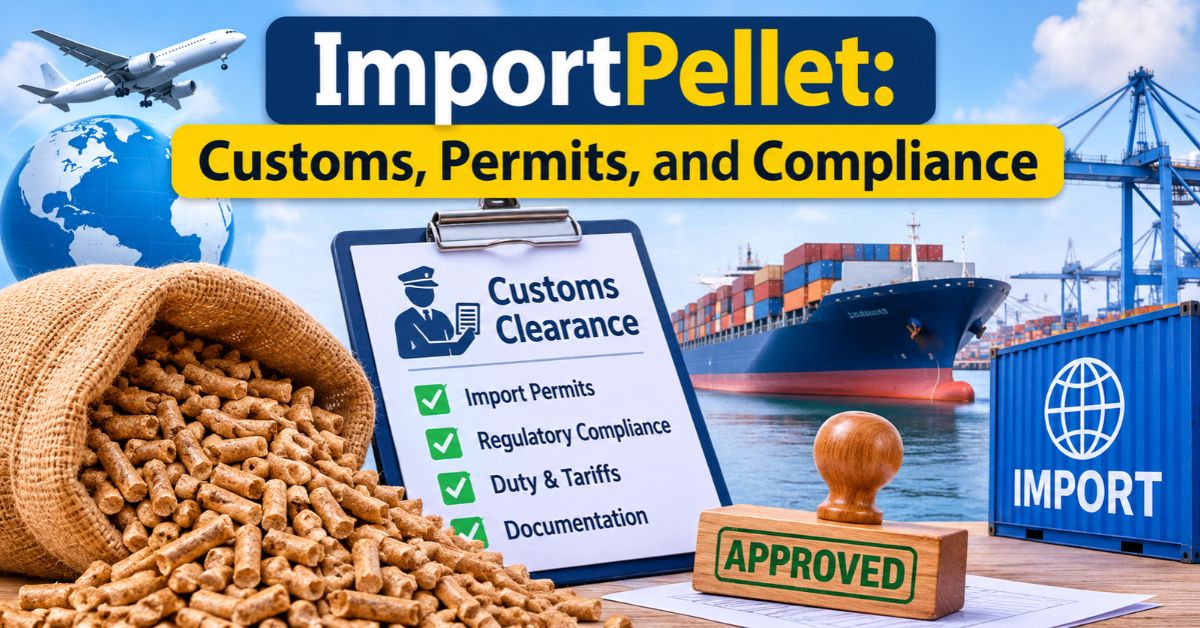
Importers must manage customs clearance, and pellets draw extra attention because they are plant-based material. Expect to need a phytosanitary certificate from the exporting country, a commercial invoice, a packing list, and a bill of lading. In the United States, agencies such as U.S. Customs and Border Protection and USDA APHIS may review shipments. Rules change, so confirm requirements before you sign a purchase contract.
Tariffs and environmental rules vary by country and product code. Wood pellets commonly fall under HS heading 4401, but your broker should confirm the exact classification and duty rate. Also check local rules on emissions, sustainability reporting, and storage. A licensed customs broker costs money, yet one rejected shipment costs far more. Treat that fee as insurance, not overhead.
| Document | Purpose |
|---|---|
| Phytosanitary certificate | Confirms plant-health compliance |
| Commercial invoice | Declares value and terms of sale |
| Bill of lading | Proves shipment and ownership |
| Certificate of origin | Supports duty treatment |
| Lab report / ENplus certificate | Proves quality |
How to Source Pellets Step by Step
A clear process keeps surprises small. Start with your fuel specs, since your boiler manual sets the limits for size, ash, and moisture. Then build a supplier shortlist, request samples, and compare quotes on a landed-cost basis. Treat your first order as a trial, even if the price looks great. Good ImportPellet planning is mostly about asking the right questions early.
- Define your fuel specs and annual volume.
- Shortlist certified suppliers in two or three regions.
- Request samples and independent lab results.
- Compare quotes on a landed-cost basis.
- Hire a customs broker and confirm import rules.
- Sign a contract with quality limits and remedies.
- Inspect at loading and again on arrival.
Once you pick a supplier, put every promise in writing. Your contract should state quality limits, testing methods, delivery dates, payment terms, and remedies for off-spec cargo. Use an independent inspector at loading when the order is large. A letter of credit gives both sides protection, and it filters out sellers who cannot show real stock. Reliable suppliers will not mind.
Conclusion
ImportPellet sourcing rewards buyers who plan ahead. Start with your fuel specs, insist on proof of quality such as ENplus A1, and compare suppliers on total landed cost. Choose bulk or container freight based on your volume, and confirm every customs document before cargo sails. Each of these steps removes a common risk, and together they turn a complicated purchase into a repeatable process you can trust.
Remember that standards, tariffs, and plant-health rules change over time. Check official sources, work with a licensed customs broker, and start with a trial order before you scale up. Keep the sourcing checklist handy and review it before every purchase. With careful planning and reliable partners, you can secure steady, clean-burning fuel at a fair price and protect your equipment for many heating seasons.