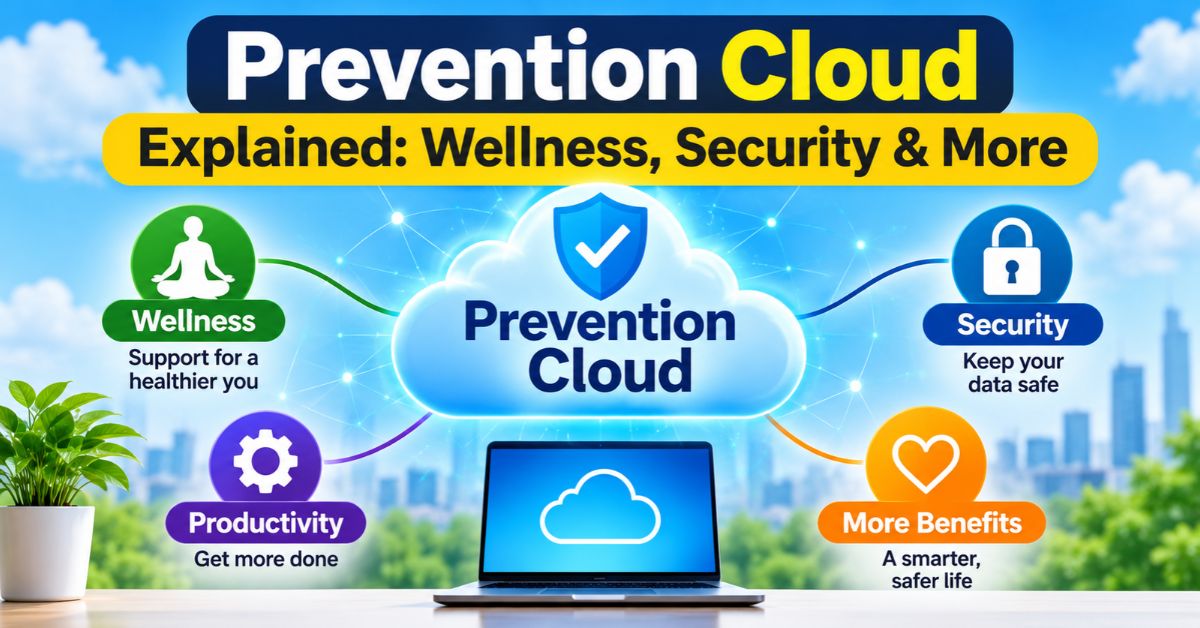
Search for Prevention Cloud and you may land on a wellness app, a security platform, or an architecture idea. That confusion is common. The same two words describe three different things in the U.S. market today. Some results point to employee health programs, others cover cloud security tools, and a few discuss a design philosophy instead of a product.
This guide sorts them out. You will learn what each version does, how it works, where they differ, and how to pick the right fit. Whether you manage employee benefits or protect company data, you will find a clear path forward. We keep the language plain and the sections short, so you can scan quickly and move ahead with confidence.
What Prevention Cloud Means
Prevention cloud is not one product category. Most often, it refers to PreventionCloud, a workplace wellness platform from Zomo Health. In IT, the term also describes a layered cloud security approach. Security teams sometimes use it loosely for a prevention-first design philosophy. Context tells you which meaning applies. A benefits manager and a cloud engineer will read the phrase very differently.
Here is a quick way to tell them apart. If it mentions misconfigurations, endpoints, access roles, or malware, it covers security. If it argues for stopping threats before deployment, it covers the concept. The table below shows all three meanings side by side.
| Meaning | Field | Main Goal | Typical User |
|---|---|---|---|
| PreventionCloud platform | Workplace wellness | Boost healthy habits with incentives | HR and benefits teams |
| Prevention Cloud framework | Cybersecurity | Block breaches and malware | Security and IT teams |
| Prevention-first concept | Cloud architecture | Stop risks before deployment | Cloud engineers, CISOs |
Prevention Cloud as a Workplace Wellness Platform
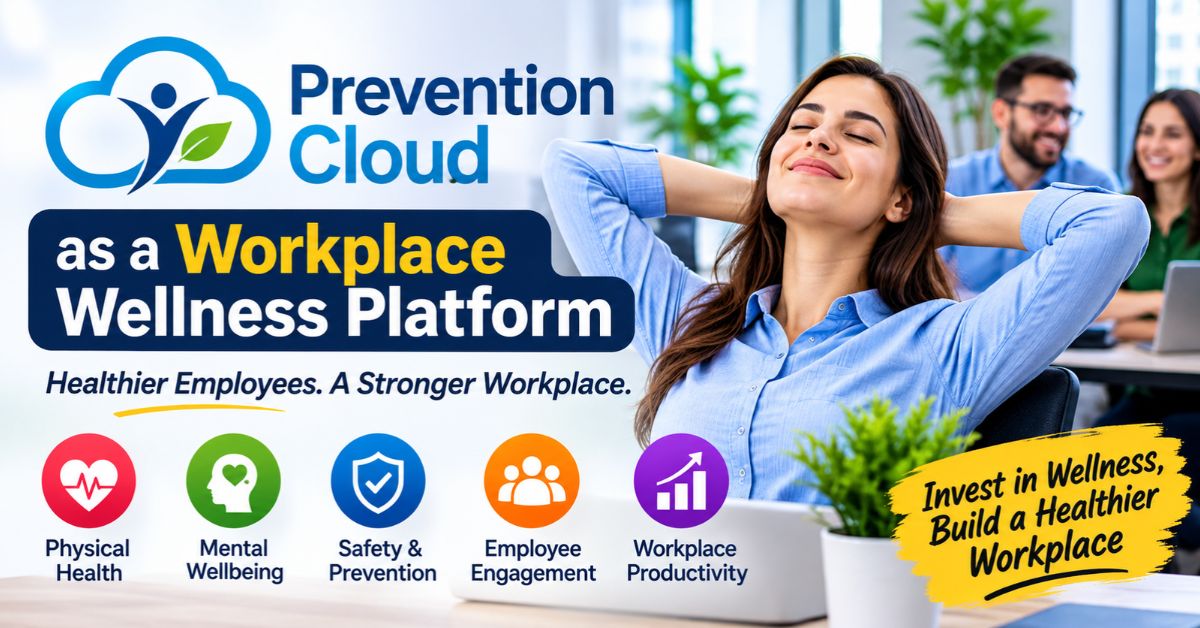
PreventionCloud, built by Zomo Health, is an online platform and mobile app that employers use to run corporate wellness programs. It connects employee lifestyle choices with employer incentives. Workers complete health surveys, track daily habits, and log points toward company rewards. For HR teams, it replaces scattered spreadsheets and paper forms with one portal that keeps participation organized and easy to measure.
The platform suits employers who want engagement without heavy administration. Staff can set custom fitness goals, follow guided workout streams, and monitor habits like sleep and hydration. Step tracking can pull from tools such as Google Health Connect, which the platform reads in a read-only capacity. Always confirm current features and data practices directly with the vendor before you roll out a program.
Key Features
- Lifestyle self-assessments and health surveys
- Custom fitness goals
- Habit tracking for sleep, hydration, and steps
- Guided workout streams
- Points and company reward tracking
- Read-only step data from Google Health Connect
How Employees Get Started
- Log in through the company portal or mobile app.
- Complete the lifestyle self-assessment.
- Choose personal goals, such as daily steps or hydration.
- Connect step tracking if the program allows it.
- Log activity and earn points toward employer rewards.
Prevention Cloud in Cybersecurity
In IT, prevention cloud describes a multi-layered security setup that protects enterprise cloud environments. The goal is to block data breaches, remote access risks, and advanced malware before damage occurs. Instead of waiting for alerts after an incident, the design pushes controls to the front of the process. That shift matters because cloud environments change fast, and one misconfigured setting can expose sensitive data.
Several technologies usually work together here. Machine learning models and real-time behavioral analytics watch for unusual activity, such as a login from an unexpected region. Endpoint protection secures devices. Role-based access management limits what each user can touch. Automated alerting routes suspicious events to the right team. Each layer covers gaps the others leave open, so no single failure exposes everything.
Core Technologies
- Machine learning anomaly detection
- Real-time behavioral analytics
- Endpoint protection
- Role-based access management
- Automated alerting and response workflows
A Simple Example
Picture a contractor whose credentials are stolen. A prevention-focused setup limits that account to the few systems the contractor needs. Behavioral analytics flags a login at 3 a.m. from a new device. The system can then require extra verification or block access. The attacker never reaches customer data, and the security team gets an alert to review.
Prevention-First vs. Detection-Only Security
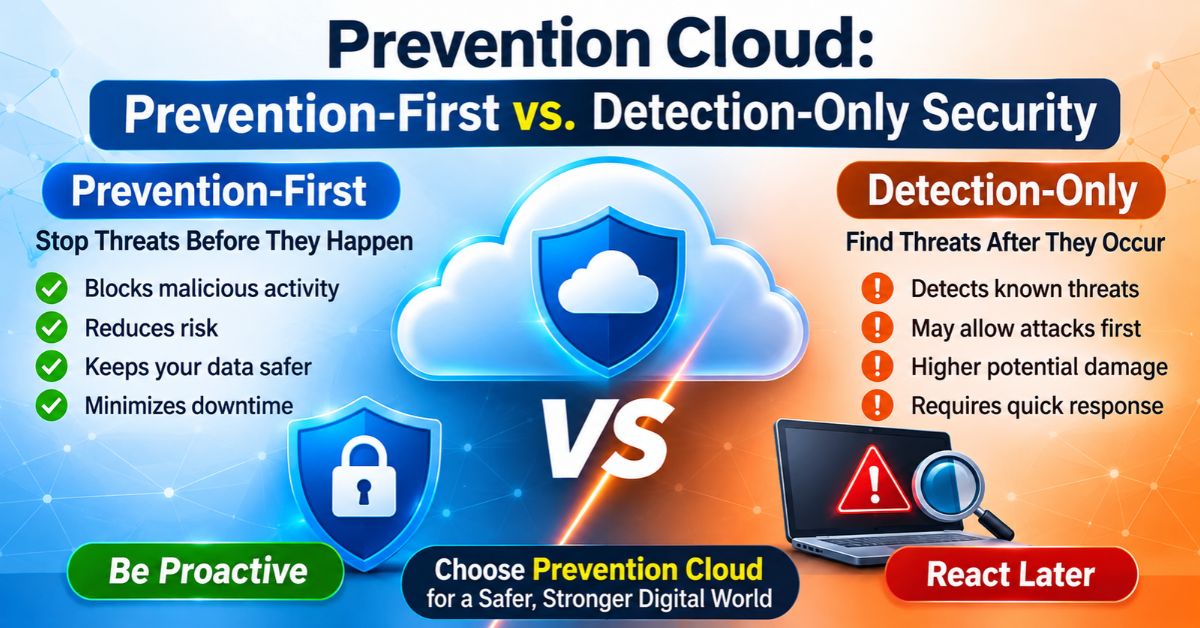
Prevention-first security stops problems before they go live. That means blocking cloud misconfigurations and unauthorized API calls during deployment, not cleaning up after an attack triggers an alarm. Detection-only security takes the opposite approach. It watches for trouble and reacts. Reaction still matters, but it often means the damage has started by the time anyone responds.
Teams usually build a prevention-first posture with a few practical steps. They enforce strict access boundaries, often guided by NIST SP 800-53 controls. They also run guardrails that reject risky changes automatically. Detection stays in the mix as a safety net, but prevention carries the main load.
| Factor | Prevention-First | Detection-Only |
|---|---|---|
| Timing | Before deployment or access | After suspicious activity |
| Typical action | Block or reject the change | Alert and investigate |
| Risk of damage | Lower | Higher, depending on response speed |
| Workload | More upfront planning | More cleanup and incident response |
| Best use | Core defense strategy | Backup layer and monitoring |
How to Choose the Right Prevention Cloud Approach
Start with your goal. If you want healthier employees and higher program participation, a wellness platform like PreventionCloud fits. If you need to protect cloud workloads and customer data, a security-focused prevention cloud strategy fits. Some organizations need both, but they usually belong to different budgets and different teams. Clarify who owns the problem before you compare any vendors.
Next, test each option against your real environment. Ask for a demo, review privacy terms, and check how the tool handles data. A wellness tool should explain what employee data it collects and why. A security tool should show how it integrates with your cloud provider and access systems.
Conclusion
Prevention cloud means different things depending on who you ask. It can be a workplace wellness platform from Zomo Health, a multi-layered cloud security framework, or a prevention-first way of designing cloud systems. Each version shares one idea: act early, before small issues turn into costly ones. Knowing which meaning applies saves you time and keeps your research focused on the right solution.
Pick the meaning that matches your goal. Choose a wellness platform to build healthier habits across your workforce. Choose a security-focused prevention cloud strategy to protect data and cut incident risk. Review privacy terms, test integrations, and measure results after launch. With clear goals and the right questions, you can choose a prevention cloud option that delivers real value for your team.