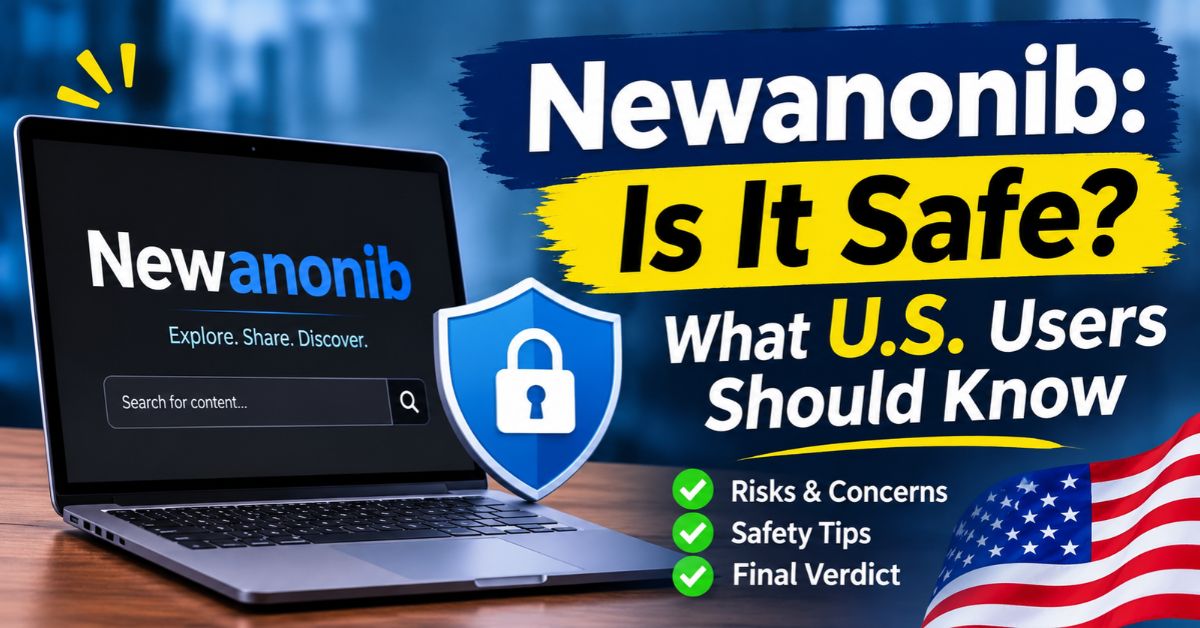
If you searched Newanonib, you likely want a straight answer. The term usually points to anonymous image boards modeled on Anon-IB, a forum infamous for sharing private photos without consent. Clones appear and disappear often, which makes search results confusing and risky. Some results are harmless, but many lead to sites with serious privacy, security, and legal problems that can affect you and others.
This guide explains what the word means, why these sites carry real risk, what U.S. law says, and how victims can get images removed. It also shows you how to protect your own photos. We do not link to or promote any of these sites. Our goal is simple: give you clear, accurate facts so you can stay safe and act fast if you need help.
What Newanonib Means in Search Results
Newanonib most often refers to anonymous image boards that copy the old Anon-IB forum. The word “new” signals a clone or successor. The original site became notorious because users posted intimate photos of real people without permission. Clones keep the same anonymous format, so the same harms follow. Some of these domains show an age gate and political messaging before sending visitors to other sites.
The keyword also appears in unrelated places. Some social accounts use similar names to curate celebrity styling content. Researchers have developed a biodegradable bone graft with a similar-sounding name. A few crypto circles use the shorthand for “anonymous investment banking.” Context matters, so confirm what you actually need before you click anything.
| Context | What It Refers To | Risk Level |
|---|---|---|
| Anonymous image boards | Anon-IB-style forums and clones | High |
| Celebrity curation accounts | Social pages posting public styling updates | Low |
| Medical research | Experimental bone regeneration material | None |
| Crypto shorthand | Informal “anonymous investment banking” talk | Medium |
Is Newanonib Safe to Visit?
Treat newanonib-style sites as unsafe. Anonymous boards rarely verify who posts or what gets posted. That means illegal content can appear at any time, and you cannot control what loads on your screen. Many of these domains also lean on aggressive ads and redirects, which are common routes for malware and phishing. Moderation is weak, and accountability is almost nonexistent.
The harm goes beyond your device. Real people appear in these threads without consent, and the damage to their lives can be severe. Visitors can also face legal exposure. Downloading or sharing non-consensual intimate images may violate federal or state law, even if you did not post them first. Curiosity is not a defense.
What U.S. Law Says About Non-Consensual Images
Federal law now addresses this problem directly. The TAKE IT DOWN Act, signed in May 2025, makes it a federal crime to publish intimate images of someone without consent. That includes AI-generated deepfakes. The law also requires covered platforms to remove reported content within 48 hours of a valid request. The Federal Trade Commission enforces the platform requirements.
States add their own protections. Most states have laws against non-consensual intimate imagery, and penalties range from fines to prison time. Some states also let victims sue for damages. Anonymity does not guarantee safety for posters, since investigators can trace activity through hosting records and payment trails. Laws vary, so consult a licensed attorney about your specific situation.
| Level | What It Covers | Typical Outcome |
|---|---|---|
| Federal (TAKE IT DOWN Act) | Publishing real or AI-made intimate images without consent | Criminal penalties; 48-hour removal duty for platforms |
| State laws | Non-consensual image sharing, often called “revenge porn” | Fines, jail time, civil lawsuits |
| Civil claims | Privacy invasion, emotional distress | Possible damages |
How to Remove Leaked Images Step by Step
Acting fast improves your chances. Start by documenting everything before content disappears. Then use the removal tools built for this exact situation. Many are free and confidential, and several work even when the original site ignores you. You do not have to handle this alone, and none of this is your fault.
Follow these steps:
- Save evidence. Take screenshots and record URLs, dates, and usernames. Do not share the images further.
- Report to the host. Use the site’s abuse form or look up its hosting provider and file a complaint.
- Use StopNCII.org. Adults can create a digital fingerprint of an image so participating platforms can block it.
- Use Take It Down. If the image shows you before age 18, the National Center for Missing & Exploited Children offers a removal tool.
- Request Google removal. Google lets you ask to remove non-consensual explicit images from search results.
- Call a helpline. The Cyber Civil Rights Initiative runs a crisis line at 844-878-2274.
- Contact law enforcement. File a police report, or a complaint with the FBI’s IC3 portal.
How to Protect Your Photos and Privacy
Prevention starts with control. Anyone can become a target, so limit where sensitive images live. Turn off automatic cloud backups for private folders. Use strong, unique passwords and enable two-factor authentication on every account. Hackers often steal photos through weak logins rather than through the person you shared them with. Review app permissions every few months.
Also think about what you share and with whom. Trust matters, but relationships change. Avoid including your face, tattoos, or other identifying details in private images. Search your own name and usernames periodically, and set up alerts. If you find something, move quickly. Early action usually means faster removal and less spread.
Conclusion
Newanonib points mostly to anonymous image boards with serious privacy, safety, and legal problems. Other uses of the term exist, including celebrity fan accounts, medical research, and crypto shorthand, but the board-related meaning dominates search results. Treat these sites as unsafe, never download or share what you find, and report illegal content when you see it. Doing so protects your devices, your record, and the real people harmed by these forums.
If your own images were posted, you are not alone, and it is not your fault. Document the evidence, use removal tools like StopNCII.org, and call the Cyber Civil Rights Initiative helpline at 844-878-2274. Under the TAKE IT DOWN Act, covered platforms must act on valid requests quickly. Whether you are researching Newanonib or dealing with a leak, help exists, and you can take the first step today.