
You may have landed here after seeing Incfidelibus in a search result, a review page, or a message. The word looks Latin, yet it does not appear in any Latin dictionary. It also points to a website that advertises phone monitoring and so-called ethical hacking. This guide explains the spelling, the claims, the legal risks, and the steps you can take to protect your phone.
Let’s start with the basics. You will learn what the word means, what the website says it does, and where U.S. law draws the line. You will also get a simple checklist to test your own device for spyware. Read it before you spend money or share any personal details.
What Does Incfidelibus Mean?
Incfidelibus is not a real Latin word. It looks like a misspelling of infidelibus, with an extra “c” slipped in. Classical Latin never used that letter pattern. The typo probably spread online because someone adopted it as a brand or username, and search engines then treated it as a unique term. That makes it easy to find but hard to verify.
The correct word, infidelibus, is a plural form of infidelis. It translates to unfaithful, faithless, disloyal, unreliable, or infidels, depending on context. Latin uses this form for the dative or ablative case, which marks indirect objects or means. The theme of disloyalty may explain why the name appeals to people who suspect a cheating partner.
| Term | Status | Meaning |
|---|---|---|
| Infidelibus | Correct Latin form | Dative/ablative plural of “infidelis” (unfaithful, faithless) |
| Incfidelibus | Internet misspelling | No Latin meaning; tied to a monitoring website |
What the Incfidelibus Website Claims to Offer
Searches for the term lead mostly to incfidelibus.com. The site presents itself as an ethical hacking and cell phone monitoring service. It advertises remote, real-time control of a device and says customers can track activity such as calls and WhatsApp data. These are the site’s own claims. Independent proof that the service works as described is hard to find.
Consumer feedback adds more reason for caution. The brand appears on review platforms like Trustpilot in connection with tech help and remote access requests. Remote access is a red flag when you are the one paying. A real provider should explain who runs the company, how it handles your data, and what refund rights you have. Look for those details before sending money or personal information.
Claimed features
According to the site’s marketing, the service may include:
- Remote device control in real time
- Call activity tracking
- WhatsApp data monitoring
- “Ethical hacking” support
Is Incfidelibus Legal in the United States?

Selling a hacking or monitoring service is one thing. Using it on another adult’s phone without consent is another. In the U.S., secretly intercepting calls or messages can violate the federal Wiretap Act. Accessing a device without permission can also break the Computer Fraud and Abuse Act and state privacy laws. Penalties can include fines, prison time, and civil lawsuits from the person you targeted.
Regulators have also acted against stalkerware vendors. In 2021, the Federal Trade Commission banned SpyFone from the surveillance business after finding it exposed customers’ data. Legal uses do exist. Parents can monitor a minor child’s device, and employers can manage company phones under written policies. Even then, transparency matters. Talk to a licensed attorney before you install anything, because rules differ from state to state. This article is general information, not legal advice.
Incfidelibus Risks: Scams, Malware, and Data Exposure
Buyers face real risks, even when their intent seems harmless. Many hacking-for-hire sites take payment and deliver nothing. Others ask you to install files or grant remote access to your own computer. That access can expose your bank logins, photos, and email. Some operators also use screenshots of your request to pressure you into paying more.
Targets face risks too. Spyware can drain the battery, expose private chats, and give an abuser control over someone’s life. If you searched incfidelibus because you fear being watched, take that fear seriously. It may point to a real problem. The steps below can help you check your device, and domestic violence hotlines can offer safe, confidential support.
Watch for these warning signs on any monitoring or “hacker” site:
- No company name, address, or legal terms
- Payment only by crypto or gift cards
- Requests for remote access to your device
- Guaranteed results with no proof
- Pressure to pay fast
Hacking-for-Hire vs. Legitimate Monitoring Tools
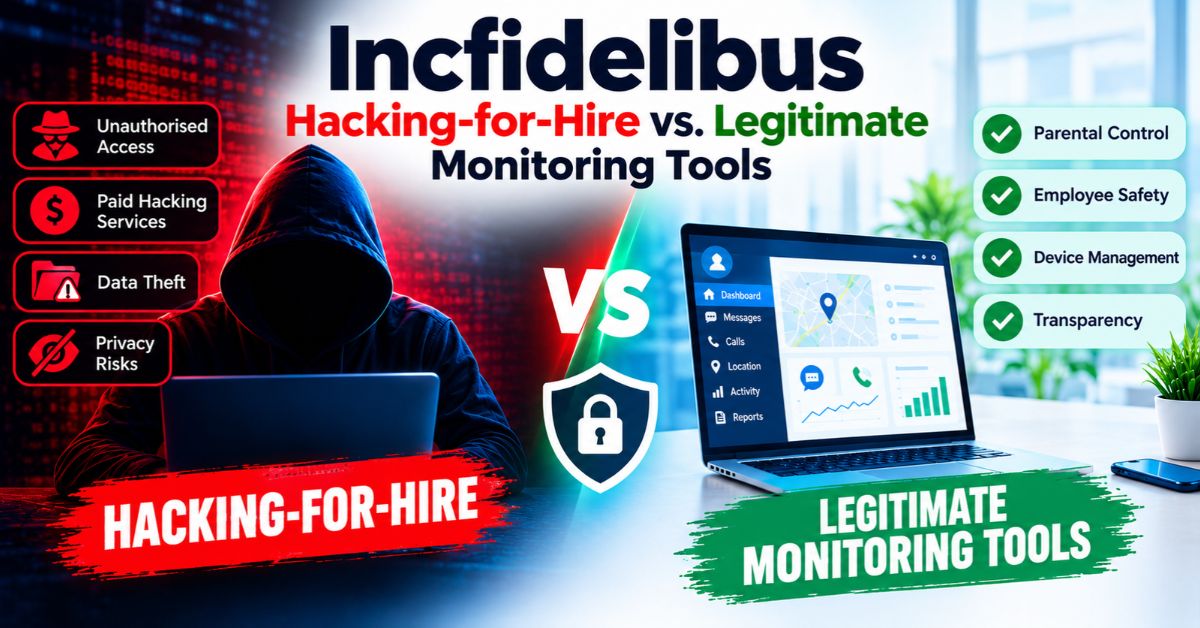
People often search incfidelibus when they want to know about a partner, a child, or an employee. Their goals differ, and so do the legal answers. A parental control app, like Apple Screen Time or Google Family Link, works openly and with the family’s knowledge. A secret hacking service works in the dark. That difference decides whether you stay on the right side of the law.
Compare the options below before you act. Consent, transparency, and accountability separate safe tools from risky ones. If your real issue is trust in a relationship, no app will fix it. A direct conversation, couples counseling, or legal advice often works better, costs less, and protects you from the exposure described above. Ask yourself what you really want to know.
| Feature | Covert hacking/spyware service | Parental controls or workplace device management |
|---|---|---|
| Consent | Often none | Known to the user or guardian |
| Visibility | Hidden | Open and disclosed |
| Legal risk | High | Low when used properly |
| Data protection | Unclear | Backed by major companies |
| Best for | Not recommended | Kids’ safety, company phones |
How to Check Your Phone for Spyware
If you worry someone is monitoring you, start with simple checks. Spyware often leaves clues, though not always. Look for fast battery drain, unusual data use, overheating, or strange texts and codes. None of these proves infection alone, but together they deserve attention. If you think your phone is compromised, do your research from a trusted device so no one gets tipped off.
Follow these steps:
- Review your installed apps and delete anything you do not recognize.
- Check permissions, especially Accessibility and Device Administrator access.
- Update your operating system to the latest version.
- Run a scan with a reputable mobile security app.
- Change your passwords from a safe device and turn on two-factor authentication.
- Back up photos and contacts, then perform a factory reset if problems continue.
A factory reset removes most spyware, but restore only your essential data, not old apps. If you face abuse or stalking, plan for safety first. Removing a monitoring app can alert the person controlling it. Contact the National Domestic Violence Hotline at 1-800-799-7233, or seek guidance from the Coalition Against Stalkerware, before you make changes.
Conclusion
Incfidelibus is a typo of the Latin word infidelibus, meaning unfaithful or disloyal, now linked to a site that advertises phone monitoring and hacking. Its claims lack independent proof, and using such services on another person’s device can break U.S. law. Protect yourself by spotting red flags, checking your own phone for spyware, and choosing transparent, consent-based tools. When trust is the real problem, honest conversation beats surveillance.