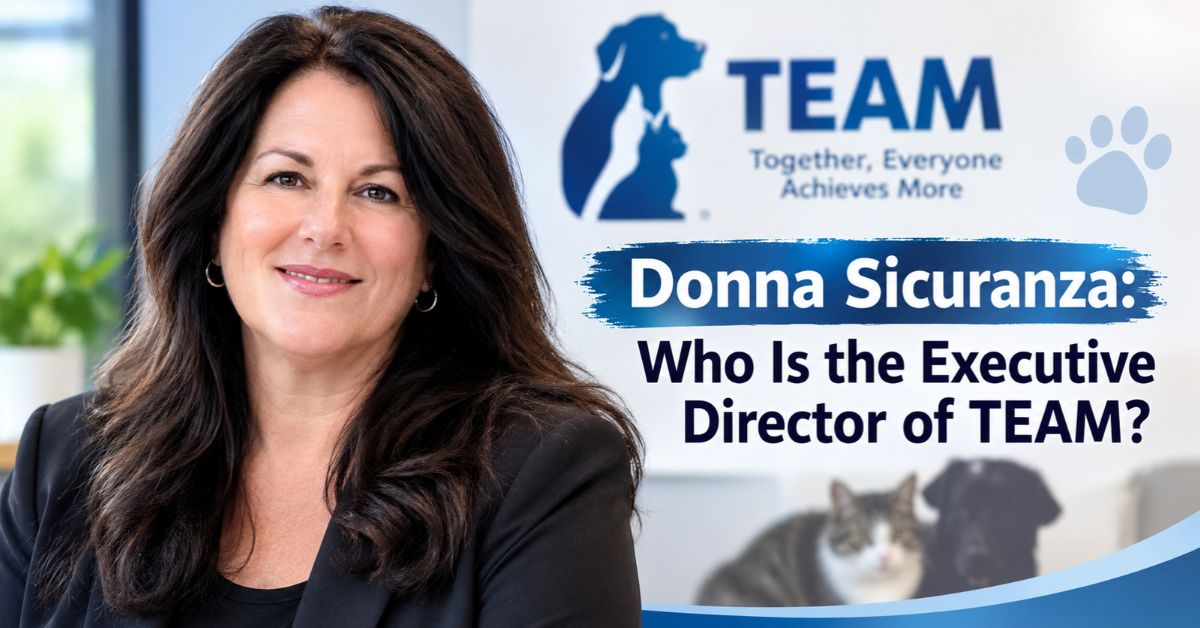
Searching for Donna Sicuranza usually means one thing: you want to know who she is and what she does for cats. This guide answers both questions. You will learn about her role, her career, her education, and the Connecticut clinic she helps run. You will also find simple ways to support the same cause in your own community.
Who Is Donna Sicuranza?
Donna Sicuranza, also known as Donna Sicuranza Marconi, is an animal welfare advocate in Connecticut. She serves as Executive Director of Tait’s Every Animal Matters, known as TEAM. The nonprofit has one clear focus: ending feline overpopulation. Rather than waiting for unwanted kittens to reach shelters, her team brings affordable spay and neuter care straight to the communities that need it.
Her path to this work was not a straight line. She spent years as a freelance writer, editor, and public relations specialist before moving into full-time animal welfare. That background shows in how she leads. She explains problems plainly, builds trust with local cat caretakers, and keeps the mission easy to understand and easy to support.
Quick Facts
| Detail | Information |
|---|---|
| Name | Donna Sicuranza (Donna Sicuranza Marconi) |
| Role | Executive Director, Tait’s Every Animal Matters (TEAM) |
| Base | Westbrook, Connecticut |
| Focus | Spay, neuter, and vaccination for domestic and feral cats |
| Co-founder | John Caltabiano, DVM (deceased) |
| Founded | March 1997 |
Her Role at Tait’s Every Animal Matters
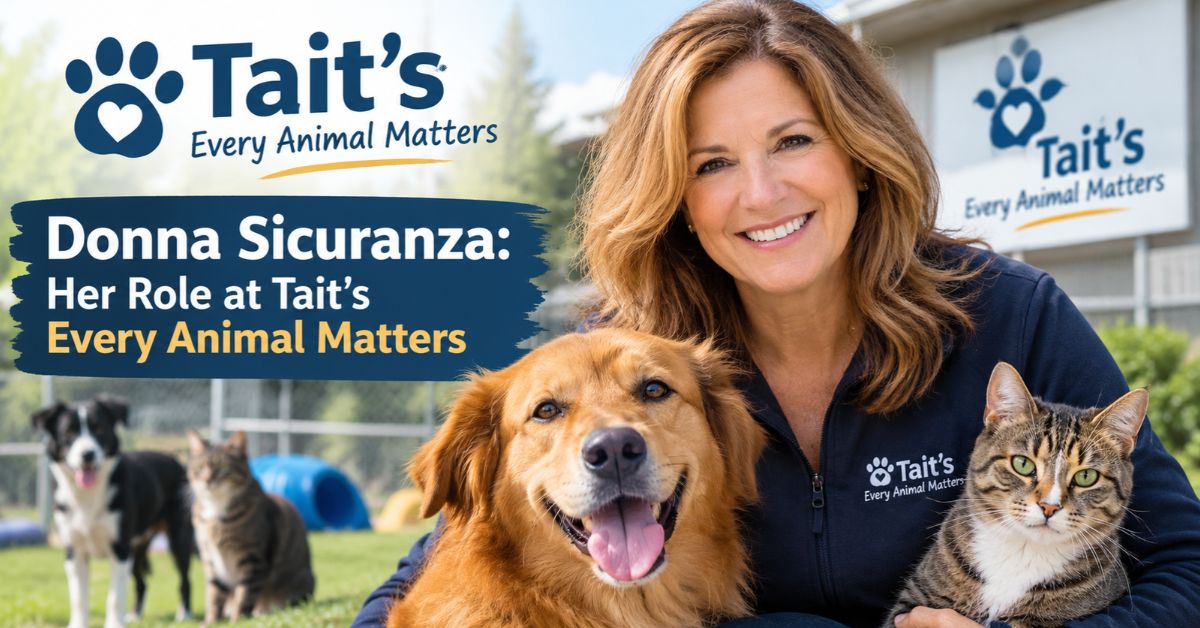
As Executive Director, Donna Sicuranza guides the daily work and long-term direction of TEAM. She helps keep the clinic running, supports the veterinary staff, and serves as a main voice for the organization. Her job connects the medical side of the mission with the people who rely on it, including rescuers, caretakers, and families with community cats.
She does not work alone. Her sister, Dina Sicuranza, is a senior veterinary technician. Art Heller, DVM, serves as medical director. Together, this small team offers low-cost veterinary packages that include examinations, vaccinations, and surgeries. The goal is practical: help people manage stray and feral cat populations without facing costs that would put care out of reach.
How TEAM Started
TEAM was co-founded in March 1997 by Donna Sicuranza and the late John Caltabiano, DVM. The two built the organization around a simple idea. Fewer litters mean fewer homeless cats. Over time, that idea became Connecticut’s first and only mobile spay and neuter clinic dedicated specifically to cats, according to the organization’s background.
Dr. Caltabiano’s role in the founding remains central to the TEAM story. His veterinary expertise gave the project medical credibility from day one. Donna Sicuranza brought communication skills and a deep commitment to the cause. Together, they turned a local concern into a service that has since reached cats across the state.
How the TEAM Mobile Feline Clinic Works
The TEAM mobile clinic is a traveling veterinary service built for cats. Based in Westbrook, it brings care closer to the people who need it. Many caretakers of community cats cannot easily transport animals long distances. A mobile model removes that barrier. It also makes it easier for people to act before a small group of cats becomes a large colony.
Under her leadership, the clinic has sterilized and vaccinated more than 225,000 domestic and feral cats across Connecticut. That number matters because each surgery prevents future litters. One unspayed female cat can produce several litters in a single year, so the long-term effect of each procedure can be large. The clinic’s work supports shelters, rescuers, and neighborhoods alike.
Services and Team
TEAM offers low-cost packages designed for ordinary caretakers and rescuers. Services described in the organization’s background include:
- Veterinary examinations
- Vaccinations
- Spay and neuter surgeries
- Support for managing stray and feral cat populations
Mobile vs. Traditional Clinic
| Feature | Mobile Feline Clinic | Traditional Clinic |
|---|---|---|
| Location | Travels to communities | Fixed address |
| Focus | Cats only | Often many species |
| Main goal | Population control and prevention | General veterinary care |
| Best for | Caretakers, rescuers, feral colonies | Routine pet care |
From Writer to Animal Welfare Leader
From 1983 to 1997, Donna Sicuranza worked as a freelance writer, editor, and public relations specialist. She traveled and worked extensively in journalism during those years. That is more than a decade of practice in research, storytelling, and public communication. Those skills are rare in nonprofit leadership, and they are valuable when a group must explain its mission to donors and volunteers.
In 1997, she moved into full-time animal welfare with the founding of TEAM. The shift made sense. Good writers know how to turn a complex issue into something people care about. Feline overpopulation is exactly that kind of issue. It is easy to ignore until someone explains the numbers, the costs, and the simple fix: sterilization.
Education and Background

Donna Sicuranza studied English Language and Literature at both the undergraduate and graduate levels. Her education reflects a strong foundation in reading, writing, and critical thinking. These are skills that support careers in journalism, public relations, and nonprofit leadership. They also help explain how she moved from the media world into animal welfare.
| Degree | Field | Institution | Years |
|---|---|---|---|
| M.A. | English Language and Literature | Trinity College, Hartford | 1989–1992 |
| B.A. | English Language and Literature | Fairfield University | 1978–1982 |
Her formal training was in literature, not veterinary science. That is worth noting. She leads alongside medical professionals such as Art Heller, DVM, while her own strengths lie in communication, organization, and advocacy. Strong nonprofits often pair clinical expertise with leaders who can tell the story and build community support.
Why Her Work Matters and How to Help
Feline overpopulation affects shelters, neighborhoods, and the cats themselves. Free-roaming cats often face hunger, illness, and harsh weather. Shelters can become overcrowded when litters keep arriving. Spay and neuter programs address the cause rather than the symptoms. That is why the work led by Donna Sicuranza and the TEAM staff matters to Connecticut communities.
You can support this kind of work without being an expert. Start small, and focus on actions that prevent new litters. Learning the basics helps you speak up for local cats and guide neighbors toward affordable care.
Conclusion
Donna Sicuranza leads Tait’s Every Animal Matters with a clear mission: stop feline overpopulation at its source. With co-founder John Caltabiano, DVM, she helped build Connecticut’s mobile feline clinic. Today, with Dina Sicuranza and Art Heller, DVM, the clinic has sterilized and vaccinated over 225,000 cats. Her writing and public relations background, along with her English degrees, still shapes how she tells that story.
If you care about community cats, her work offers a practical model. Prevent litters, make care affordable, and bring services to the people who need them.