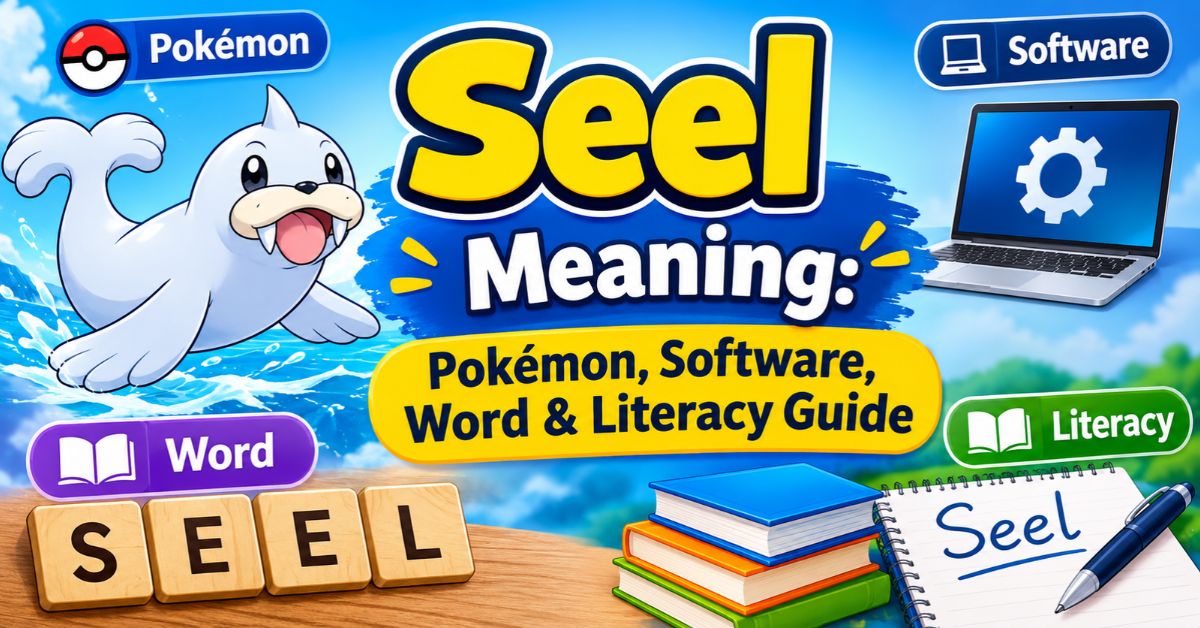
Type Seel into Google and you get a strange mix of results. One page shows a blue sea lion from a classic video game. Another shows an e-commerce platform. A third explains an old falconry term, and a fourth covers early reading instruction. It feels confusing at first, because the word has no single owner. Each result is correct, but only one matches what you actually need.
This guide sorts it out fast. You will learn what each meaning covers, how the meanings differ, and where to go next. We cover the Water-type Pokémon, two software platforms, an archaic English verb, and a literacy framework for young children. Along the way, you will find quick tables, a checklist, and a simple process for choosing the right meaning, so you can stop scrolling and start finding answers.
What Does Seel Mean?
Seel is a word with five common uses. It names a Water-type Pokémon, an AI-powered e-commerce platform, a B2B sales tool, an archaic English verb, and an early literacy framework. The spelling is rare, so search engines often show all of them together. Context tells you which meaning fits. A gamer, a store owner, a sales rep, a falconer, and a teacher each expect something different.
Many people also land here by mistake. They meant to type seal, the marine mammal. That typo is common, so Google often shows both spellings side by side. Use the table below as a quick map. Each meaning has its own audience, its own history, and its own search intent, so a short overview saves time before you dive in.
| Meaning | Category | Who Searches It |
|---|---|---|
| Pokémon #0086 | Video games | Gamers, parents, collectors |
| Seel.com | E-commerce software | Online merchants |
| Seelhq.com | B2B sales software | Sales and revenue teams |
| Archaic verb | Language | Readers, writers, falconers |
| SEEL | Education | Teachers, parents |
The Water-Type Pokémon

Seel is Pokémon number 86 in the National Pokédex. This Water-type Sea Lion Pokémon debuted in Generation I. It has thick light-blue fur and a layer of defensive fat that helps it survive freezing seas. A hard horn on its head lets it bash through icebergs. Players often meet it in the Seafoam Islands during Red, Blue, and Yellow. Many fans remember it fondly.
This Pokémon evolves into Dewgong at level 34. Dewgong adds the Ice type, so it gains new strengths and new weaknesses. The pre-evolution stays a pure Water type. That makes it a simple, friendly pick for newer trainers learning type matchups. Competitive players rarely use it because its stats are low. Still, it works well in casual playthroughs and nostalgic team builds.
| Quick Fact | Detail |
|---|---|
| Pokédex number | 0086 |
| Type | Water |
| Category | Sea Lion Pokémon |
| Generation | I |
| Evolution | Dewgong at level 34 |
Software and Business Platforms
Seel.com: Post-Purchase Platform
Seel.com serves e-commerce merchants after the sale. Its AI-powered platform handles shipping protection, order tracking, returns, and merchant live chat support. Shoppers get clearer updates and easier fixes when a package goes wrong. Merchants get a single system instead of several disconnected tools. The goal is simple: keep customers happy after checkout, when many stores lose trust. That stage often shapes whether buyers return.
Here is how the platform fits into a typical store. A customer buys, the order ships, and the tracking page keeps them informed. If something breaks or arrives late, shipping protection and returns tools step in. Live chat gives the merchant a direct line to the buyer. Always check the company’s website for current features and pricing, since software offerings change often.
Core capabilities include:
- Shipping protection
- Order tracking
- Returns management
- Merchant live chat support
Seelhq.com: B2B Sales Automation
Seelhq.com targets a different audience. It is a B2B sales automation and revenue execution platform. Sales teams use it for prospecting and personalized multichannel outreach. In practice, that means finding likely buyers, writing tailored messages, and reaching them across email and other channels. The platform aims to cut repetitive work so reps can spend more time talking to real prospects each day.
Do not confuse the two companies. Seel.com helps online stores after a purchase. Seelhq.com helps sales teams before a deal closes. One serves shoppers and merchants. The other serves reps and revenue leaders. If you work in e-commerce operations, you want the first. If you manage outbound sales or business development, you want the second. Matching the domain to your goal saves time.
| Feature | Seel.com | Seelhq.com |
|---|---|---|
| Industry | E-commerce | B2B sales |
| Main users | Online merchants | Sales teams |
| Focus | Post-purchase experience | Prospecting and outreach |
| Key tools | Shipping protection, tracking, returns, live chat | Multichannel outreach, revenue execution |
The Archaic English Word
Long before the internet, seel was a falconry term. To seel a hawk meant to stitch its eyelids shut for a short time. Falconers did this while taming a wild bird. A blinded bird stayed calm and learned to trust its handler. The word is now mostly obsolete, so you will meet it mainly in old books, poems, and historical texts.
Modern readers often confuse it with seal, the marine mammal. The spellings sound alike, but the meanings differ. A seal can be an animal, a stamp, or a tight closure. The verb is rare and tied to hawks and falcons. If you saw the word in a novel or poem, the falconry sense is likely what the author meant. Context usually settles it.
SEEL for Early Literacy
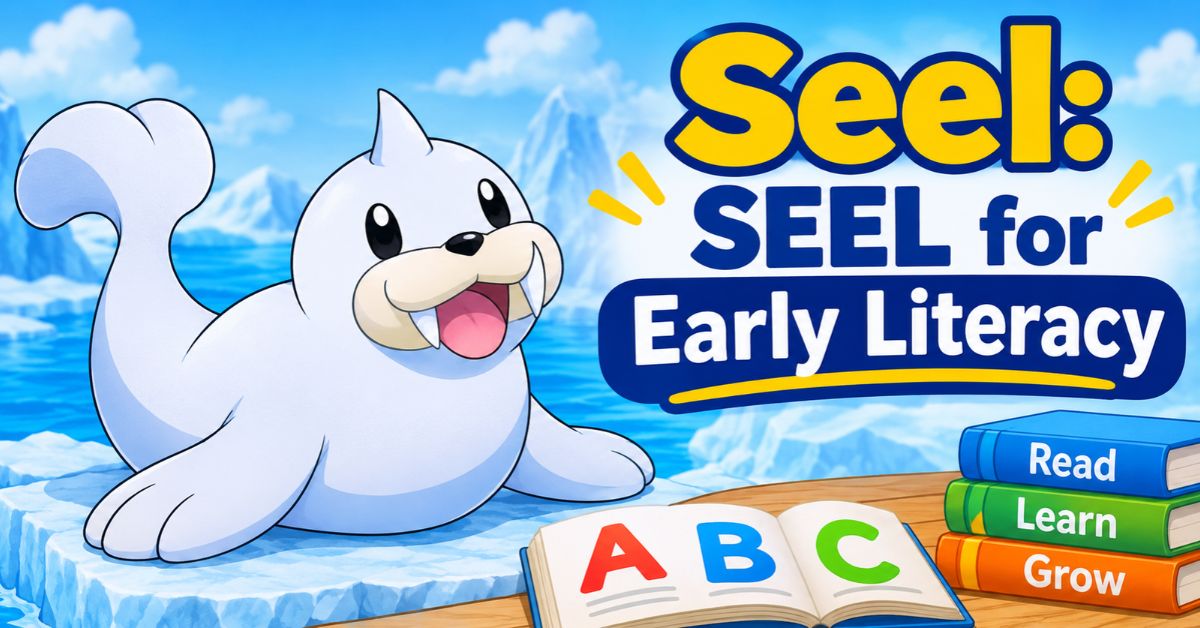
In education, SEEL stands for Systematic Engaging Early Literacy. It is a playful, research-backed framework for teaching foundational reading skills to young children. Teachers and parents use it to build early abilities such as letter recognition, sound awareness, and vocabulary. The method blends structure with fun. Children learn in a clear order, but the activities feel like games rather than drills.
Parents can borrow the spirit of this approach at home. Keep sessions short. Read aloud daily. Point out letters on signs and packages. Play rhyming games in the car. Praise effort, not perfection. Early readers thrive when learning feels safe and joyful. For a formal program, ask your child’s teacher or school literacy specialist which structured approach they follow and how it fits their classroom.
How to Find the Right Meaning
Searching for seel can feel messy, but a few tricks help. Add one clarifying word to your query. Try adding Pokémon, e-commerce, or falconry. Google will then narrow the results to the right topic. If you want the marine mammal, switch the spelling to seal. Small changes in wording can save you several minutes of scrolling. Here is a simple process to follow.
- Decide whether you want a game, a business tool, a word, or a teaching method.
- Add one matching keyword to your search.
- Check the domain: Seel.com for e-commerce, Seelhq.com for sales.
- Confirm the spelling if results mention marine animals.
- Open an official source before you buy, sign up, or cite anything.
Context clues also help. Gamers usually want Pokédex facts or evolution details. Store owners look for post-purchase tools. Sales teams look for outreach software. Students and word lovers want definitions. Teachers and parents want reading strategies. Once you know your group, the right page becomes easy to spot, and you can ignore everything else. This habit works for any term with several meanings.
Conclusion
Seel means different things to different people. It can be a Water-type Pokémon that evolves into Dewgong at level 34, an AI-powered e-commerce platform, a B2B sales automation tool, an old falconry verb, or an early literacy framework. Each meaning serves a different audience, and each has its own history. Knowing the differences keeps you from landing on the wrong page or choosing the wrong tool.
Next time seel comes up, start with your goal. Add one clarifying word to your search, such as Pokémon, e-commerce, or falconry, and check the domain before you sign up for anything. If you meant the marine mammal, switch to seal. Verify software details on the official sites, and ask a teacher about literacy programs. A little context turns a confusing search into a quick answer.